


Description
Create a healthier, more natural bioactive enclosure with live Dairy Cow Isopods (Porcellio laevis) and Orange Ducky Isopods (Cubaris sp.). These fascinating terrestrial isopods are popular among reptile keepers, amphibian enthusiasts, terrarium hobbyists, and collectors because they combine useful decomposing activity with unique and attractive appearances.
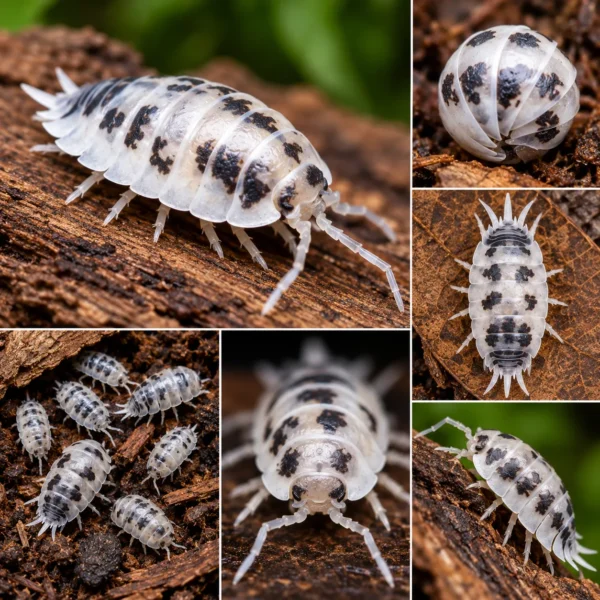
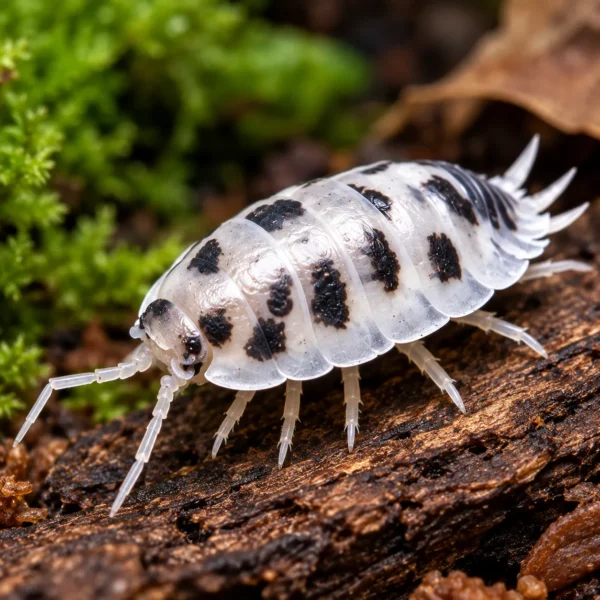
Dairy Cow Isopods – Hardy & Fast-Breeding
Dairy Cow Isopods are known for their striking black-and-white markings, which give them their distinctive name. They are active, adaptable, and relatively easy to maintain, making them a great option for beginners as well as experienced bioactive keepers.
These isopods naturally feed on decaying organic material, including fallen leaves, soft wood, plant debris, and other decomposing matter. As they move through the substrate and consume organic waste, they contribute to the natural nutrient cycle inside a bioactive enclosure.
One of their biggest advantages is their ability to establish colonies relatively quickly when provided with suitable food, moisture, shelter, and temperature conditions. They can also serve as occasional live prey for suitable reptiles and amphibians.
Orange Ducky Isopods – Unique Collector Species
Orange Ducky Isopods are a fascinating choice for keepers who appreciate unusual and visually distinctive species. Their vivid orange coloration and characteristic facial appearance make them especially popular among isopod collectors.
Compared with hardier, fast-reproducing varieties, Orange Duckies generally require more consistent husbandry. A humid environment, good-quality leaf litter, decomposing hardwood, moss, and suitable hiding places can help create the conditions they need.
Because they tend to reproduce more slowly and are valued for their distinctive appearance, Orange Ducky Isopods are often maintained as dedicated cultures or in display-focused terrariums rather than being chosen solely for clean-up performance.
Ideal for Bioactive Setups
Both species can play a useful role in a bioactive ecosystem by consuming decomposing organic matter. To encourage a healthy colony, provide:
- Plenty of dried leaf litter
- Decaying hardwood or cork-based shelter
- Moisture-retaining substrate
- Moss and natural hiding areas
- A calcium source such as cuttlebone
- Occasional protein-rich food
- Adequate ventilation
- A suitable moisture gradient
Fresh leaf litter should be added regularly because it forms an important part of an isopod’s long-term food supply.
Suitable Uses
These live isopods can be introduced into suitable:
- Bioactive reptile enclosures
- Amphibian terrariums
- Tropical vivariums
- Planted terrariums
- Isopod breeding cultures
- Naturalistic display enclosures
- Educational and hobby collections
Always make sure the enclosure conditions and resident animals are appropriate for the particular isopod species before introduction.
Live Isopod Pack – What’s Included?
Each order contains:
- 10 live isopods
- Secure plastic container for transportation
- Moss/bedding to help maintain a suitable environment during transit
- Ready to introduce into an appropriate enclosure or establish a new colony
Which Isopod Should You Choose?
Dairy Cow Isopods are a practical option if you want an active, adaptable species that can establish a colony relatively quickly.
Orange Ducky Isopods are better suited to enthusiasts interested in a distinctive, premium-looking species and are willing to provide more consistent care.
Whichever you choose, providing appropriate humidity, ventilation, food, calcium, shelter, and substrate will help your colony remain healthy and active.
Bring a little piece of nature into your terrarium with live Dairy Cow or Orange Ducky Isopods and build a thriving bioactive ecosystem naturally.