

Dairy cow Isopods for Terrariums
Dairy Cow & Orange Ducky Isopods – Live Bioactive Clean-Up Crew
| Feature | Details |
|---|---|
| Pack | 10 Live Isopods |
| Species | Dairy Cow / Orange Ducky |
| Use | Terrarium & Vivarium |
| Benefits | Breaks down organic waste |
| Packing | Plastic Cup with Moss |
| Suitable For | Bioactive Enclosures & Cultures |
If you are building a bioactive terrarium, adding the right clean-up crew can help create a more natural and balanced environment. Dairy Cow Isopods are one of the popular choices among reptile keepers, amphibian enthusiasts, and terrarium hobbyists.
These small terrestrial crustaceans live in the substrate and feed on decomposing organic material, helping recycle nutrients within the enclosure.
What Are Dairy Cow Isopods?
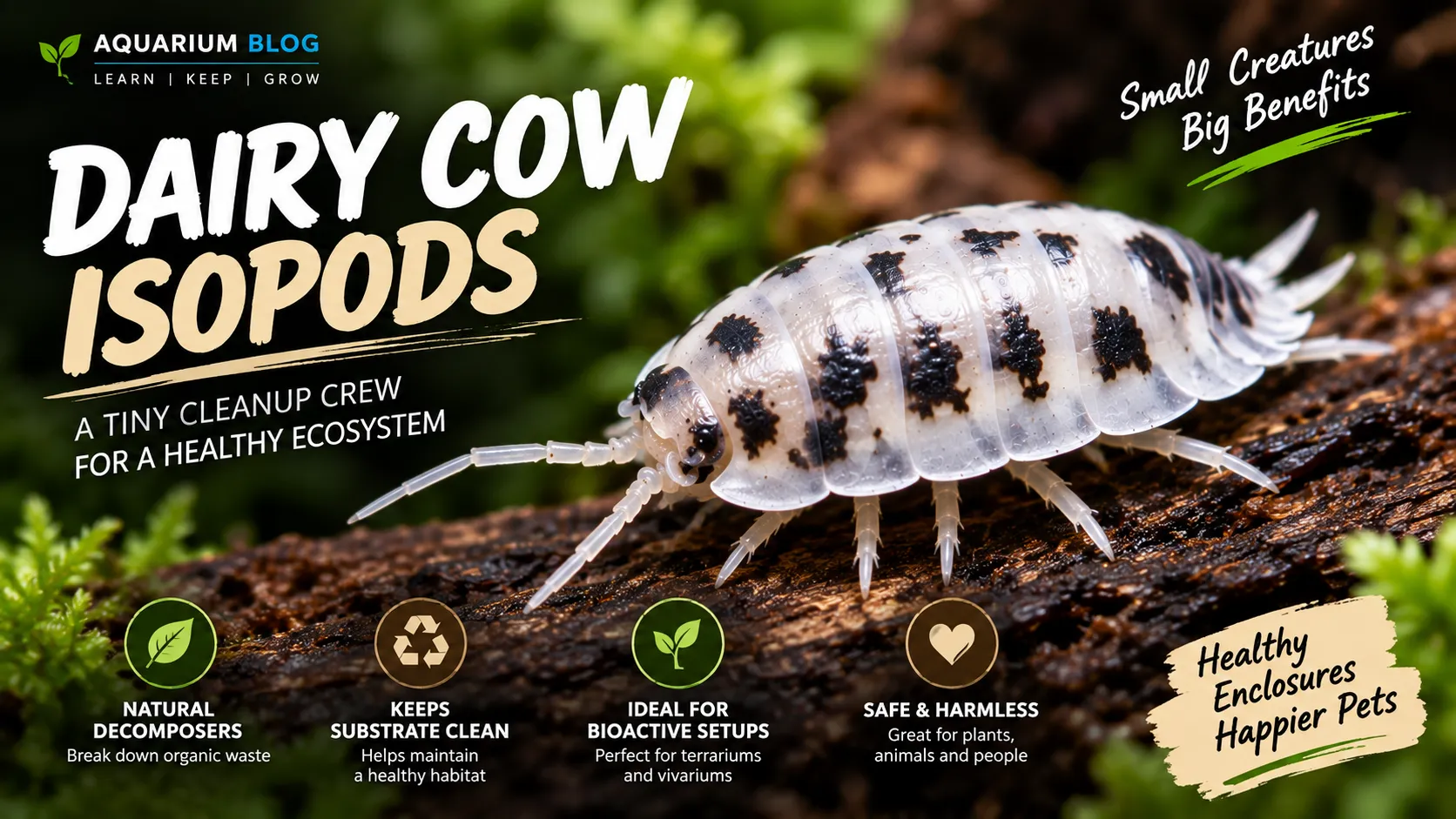
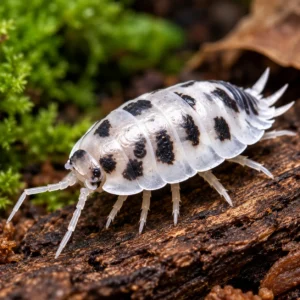
Dairy Cow Isopods are a variety of Porcellio laevis recognized for their contrasting black-and-white coloration. Their active nature and relatively fast reproduction make them suitable for hobbyists who want to establish an isopod colony.
They are commonly kept in bioactive enclosures where they can feed on leaf litter, decaying wood, and other organic material.
Why Use Isopods in a Bioactive Terrarium?
A bioactive enclosure aims to recreate a small, functioning ecosystem rather than relying entirely on artificial cleaning.
Isopods can contribute by:
- Consuming decomposing plant material
- Breaking down organic debris
- Recycling nutrients into the substrate
- Providing additional biodiversity
- Working alongside beneficial microorganisms
They should be viewed as part of the clean-up crew, rather than a replacement for regular enclosure maintenance.
Dairy Cow Isopod Care
Dairy Cow Isopods are generally considered adaptable, but providing the right environment is still important.
1. Substrate
Use a substrate that can retain moisture while remaining well aerated. Adding decaying hardwood and leaf litter provides both nutrition and hiding areas.
2. Moisture
Maintain a moisture gradient rather than keeping the entire enclosure equally wet. This allows the isopods to move between areas according to their needs.
3. Leaf Litter
Dried leaves are an important long-term food source. Add fresh, pesticide-free leaf litter periodically as the colony consumes it.
4. Calcium
Calcium supports healthy exoskeleton development. Cuttlebone or another suitable calcium source can be provided inside the culture.
5. Ventilation
Good airflow is important. Excessive moisture combined with poor ventilation can encourage unwanted mold and other problems.
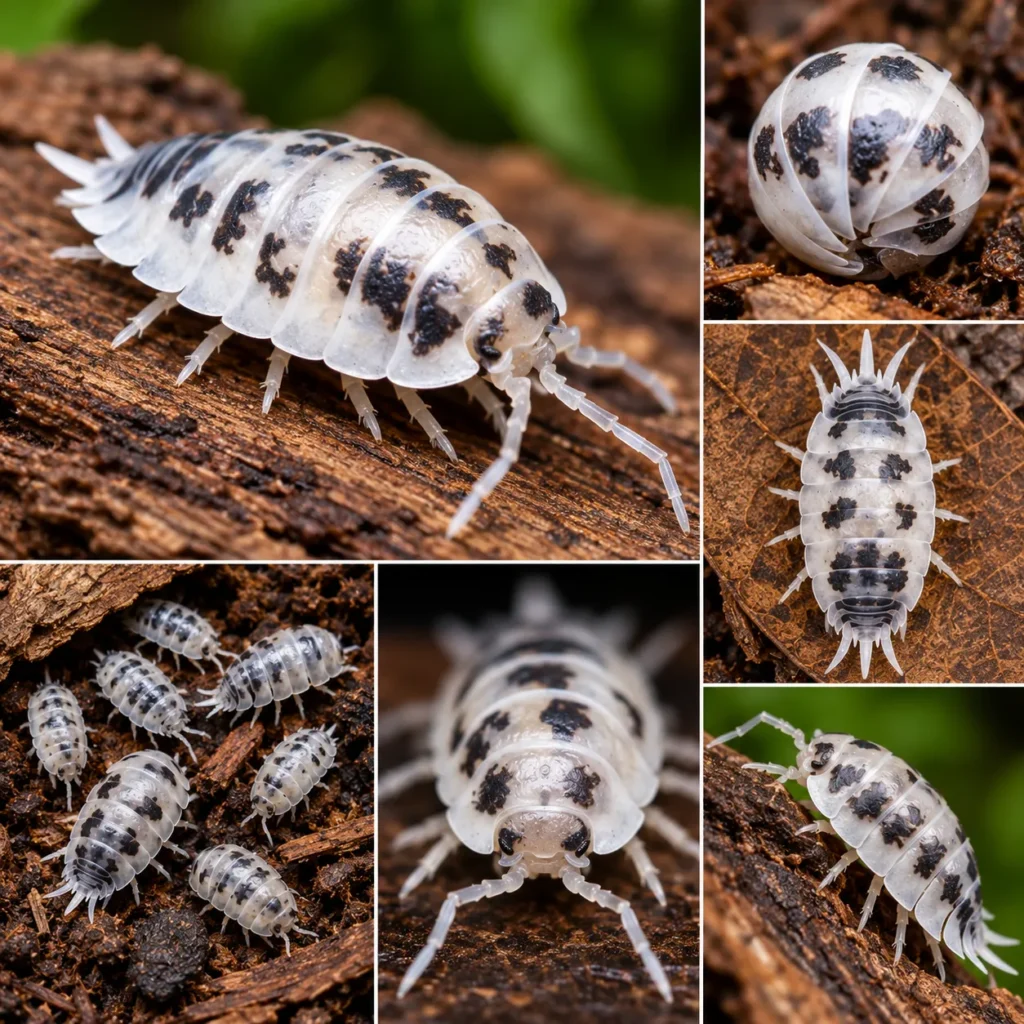
Dairy Cow Isopods as a Live Clean-Up Crew
One reason Dairy Cow Isopods are popular is their active feeding behavior. They consume decaying organic matter and can help process material that accumulates naturally inside a bioactive enclosure.
Their effectiveness depends on colony size and enclosure conditions. A newly established culture may take time to develop before it has a noticeable impact.
Dairy Cow Isopods vs. Orange Ducky Isopods
Both varieties are interesting additions to an isopod collection, but they are often kept for somewhat different reasons.
Dairy Cow Isopods are known for their bold coloration, activity, adaptability, and relatively quick reproduction.
Orange Ducky Isopods are valued particularly for their unusual appearance and collector appeal. They generally require more consistent environmental conditions and may reproduce more slowly.
Your choice should depend on whether your priority is establishing an active clean-up crew, maintaining a display colony, or building an isopod collection.
How Many Isopods Should You Start With?
Starting with a small group allows a colony to establish gradually. A starter pack of 10 live isopods can be used to begin a dedicated culture or, when appropriate, introduce a starter population into a prepared bioactive enclosure.
The exact number required depends on enclosure size, animal population, available food, and the existing clean-up crew.
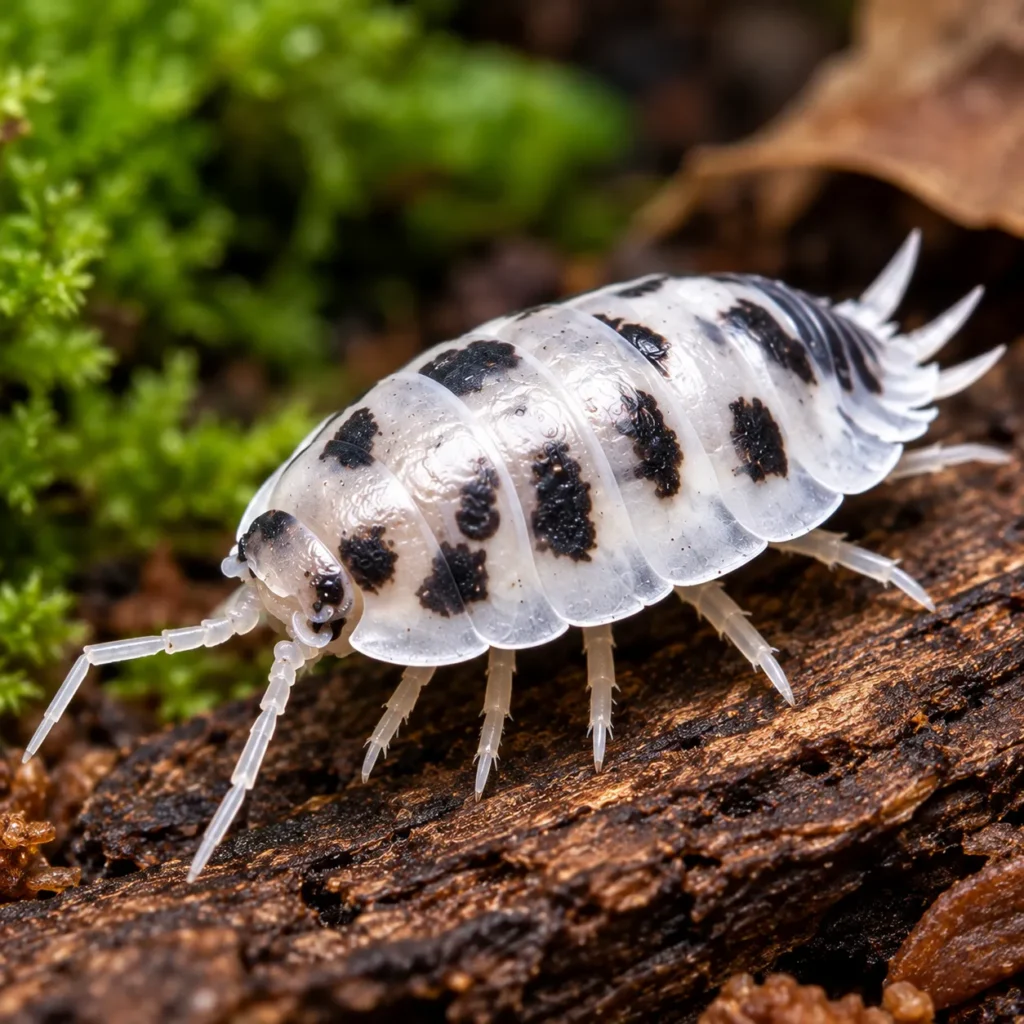
Isopods and Reptile Enclosures
Isopods are frequently used alongside reptiles and amphibians in naturalistic setups. However, compatibility should always be considered before introducing them.
Some animals may eat the isopods, while others may leave them largely undisturbed. Make sure there is sufficient leaf litter, wood, and hiding space for the isopod population to maintain itself.
For general information about reptiles and responsible reptile care, you can also refer to the Reptiles Magazine website.
Building a Healthy Isopod Colony
A successful colony does not require constant attention, but consistency matters. Provide:
- Moisture gradient
- Good ventilation
- Plenty of leaf litter
- Decaying hardwood
- Calcium
- Occasional protein-rich food
- Hiding places
- Suitable temperature conditions
Avoid overfeeding. Uneaten food can attract pests and contribute to mold growth.
Final Thoughts
Dairy Cow Isopods are a practical and visually interesting addition to many suitable bioactive terrariums. With appropriate moisture, food, shelter, calcium, and ventilation, they can establish a sustainable colony and contribute to the natural decomposition process.
Whether you are starting your first bioactive enclosure or expanding an existing isopod collection, choosing a suitable species and providing proper husbandry are the foundations of a healthy colony.